Introduction to Heathrow
London Heathrow Airport (LHR), situated in the London Borough of Hillingdon, stands as a titan of global aviation. As the largest of the six international airports serving the London region, Heathrow frequently ranks among the busiest airports in the world by international passenger traffic. Its strategic location serves as the primary gateway bridging North America and Europe, making it a critical asset for international trade, tourism, and diplomatic travel.
Terminal Architecture and Layout
Heathrow’s operational layout is uniquely complex due to its historical development within a constrained geographic footprint. The airport currently operates across four distinct passenger terminals—Terminals 2, 3, 4, and 5. (Terminal 1 was closed in 2015 to allow for the expansion of Terminal 2).
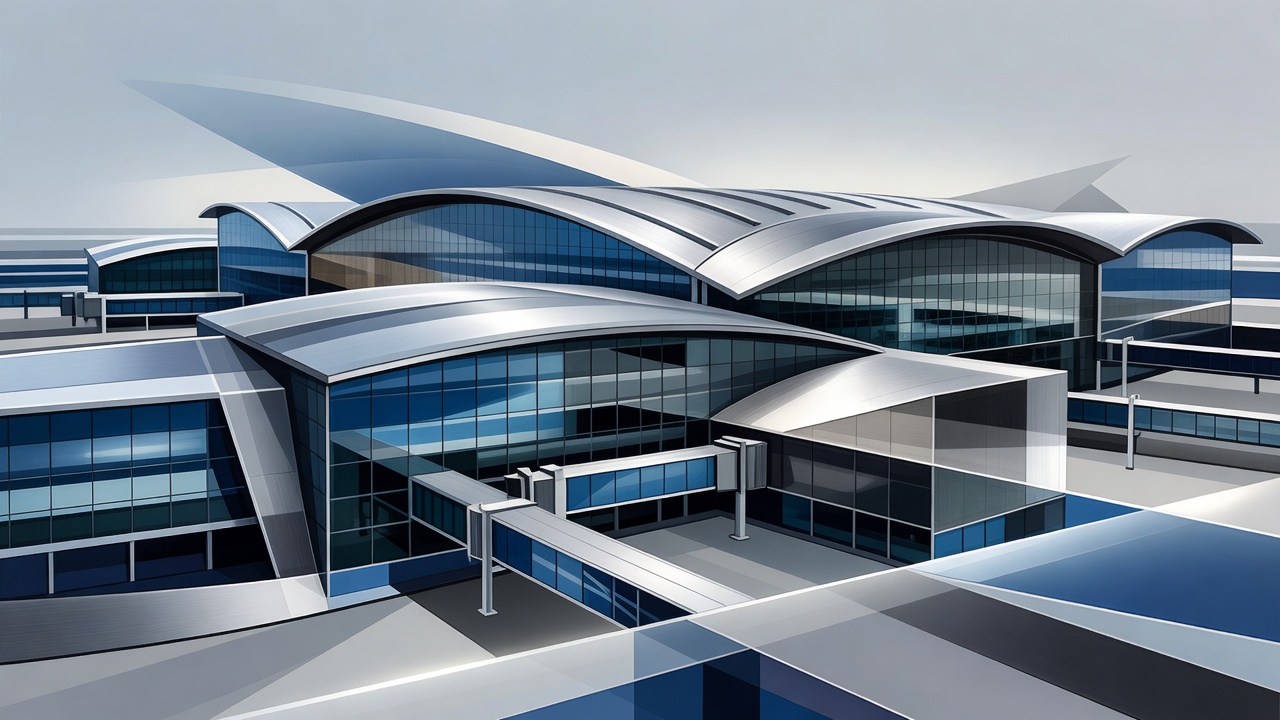
- Terminal 2 (The Queen's Terminal): Opened in 2014, this modern facility predominantly serves Star Alliance members. Its sweeping roof design and bright, airy departures concourse represent a stark departure from the cramped concrete structures of mid-20th-century airport design.
- Terminal 3: Home largely to Oneworld alliance members and some unaligned carriers, Terminal 3 is historically the heart of long-haul flights from London, notably facilitating heavily trafficked routes to the US, Middle East, and Asia.
- Terminal 4: Located to the south of the main runway complex, Terminal 4 functions mainly for SkyTeam alliance members.
- Terminal 5: Designed by the renowned Richard Rogers Partnership and opened in 2008, Terminal 5 is exclusively utilised by British Airways and its sister company Iberia. It remains one of the largest free-standing structures in the United Kingdom, featuring its own dedicated transit system to satellite buildings (Concourses B and C).
Transport and Connectivity
One of Heathrow’s strongest attributes is its extensive connectivity to Central London and beyond. The opening of the Elizabeth line has revolutionised passenger transport, providing direct, high-capacity, and air-conditioned rail links into the heart of London (including the West End and City of London) without the premium pricing of the traditional Heathrow Express, though the Express remains the fastest direct route to London Paddington.
Additionally, the Piccadilly line of the London Underground offers a cost-effective route, while a vast network of National Express coaches connects the central bus station to destinations across the United Kingdom. This multi-modal approach is critical to managing the daily influx of tens of thousands of ground-bound passengers.
Future Challenges and the Third Runway
Heathrow operates on just two parallel runways (Northern and Southern). This dual-runway system functions at near maximum capacity (close to 98%), leaving very little margin for error; a single incident can cause cascading delays across the European flight network. The long-standing, fiercely debated proposal to construct a third runway to the northwest aims to alleviate these capacity constraints. However, this expansion faces ongoing scrutiny regarding environmental impact, noise pollution for West London residents, and the UK's broader carbon reduction commitments.
Despite these challenges, Heathrow remains an engineering marvel and a cornerstone of international travel. Its continuous upgrades to baggage handling systems, biometric security checkpoints, and luxury retail concourses ensure it maintains its status as a premier global hub.